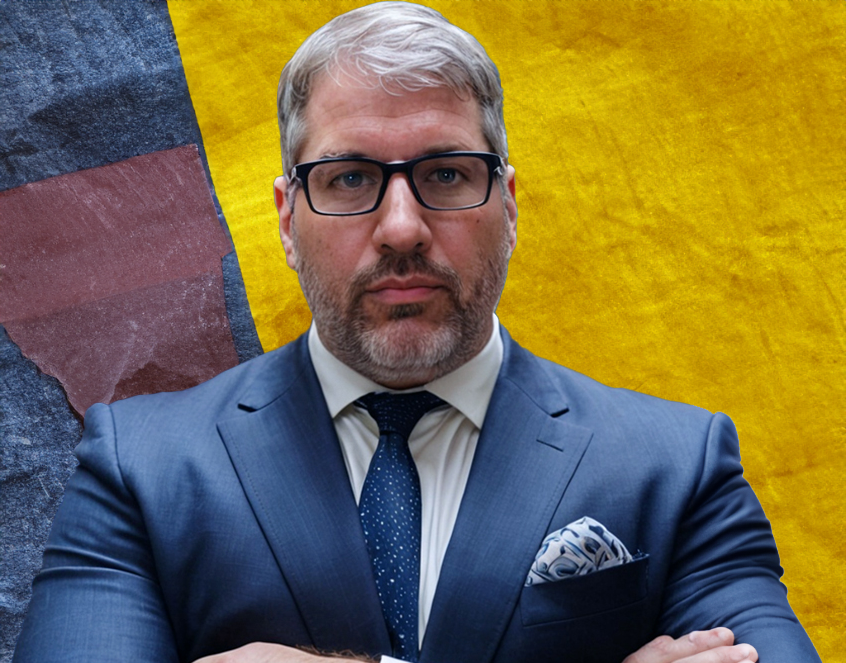
The Story
I started as a software developer. I couldn't stop there.
I wrote my first production software in the early 1990s. Back then, you learned fast because there was no one to ask for help and no budget to get things wrong twice. The problems were real, the timelines were short, and the expectation was simple: make it work. That ethos has followed me through every engagement I have taken on since.
As my career expanded, so did the problems I was expected to solve. Clients didn't just need software. They needed phone systems that routed calls intelligently, networks that stayed up under load, contact centers that actually converted, cloud environments that passed federal security audits, and applications that tied all of it together. I kept saying yes, kept learning what I didn't know, and eventually stopped thinking of myself as someone in any particular discipline. I was just someone who solved technology problems.
I have spent years inside enterprise environments that most technology consultants never get close to. At Inova Health, I worked across seven hospital campuses and 200-plus clinics, building telephony and communication systems that genuinely mattered - including the COVID-19 patient notification platform that had to work when there was no room for it not to. We rebuilt their collections process through call center technology and added $300,000 per month in recovered revenue. At Avaya Professional Services and through cloud architecture work on federal systems, I designed environments that had to meet IL5 compliance requirements and survive PCI audits on the first pass. At Walgreens I was a senior solution architect. At AXA Assistance I built contact center solutions at scale. These were not small problems in forgiving environments.
At Defero Partners, I have managed a global development team for over a decade - thirty or more developers spread across time zones, building complex software products for clients who needed things done right the first time. Running a team at that scale while staying technically deep is something most consultants choose one or the other. I chose both because I have never been able to just manage a project without understanding exactly what is being built and why.
I hold two patents. One is for voice-based person identification, the other is for a home healthcare telephony tracking system. Both came from solving real problems I encountered in the field that did not have existing answers. I built custom speech recognition software using TensorFlow and LLMs well before that kind of work became a headline. I spent years inside the Avaya ecosystem at a depth most engineers never reach - AACC, Experience Portal, Breeze, AES, IVR, SIP, and more - because the clients who needed contact center technology needed someone who actually understood how the whole stack fit together.
I started Jeff Norton Digital because small and mid-size businesses were getting left out. They have real technology problems. Those problems affect their revenue, their operations, and their ability to grow. But they don't have the internal teams or the budget to hire a different specialist for every layer of the stack. What they need is one person who can look at the whole picture, understand what is actually wrong, and build a solution that works. That is what I do. That is what I have always done.
If you have a technology problem, tell me what it is. I'll figure out the rest.