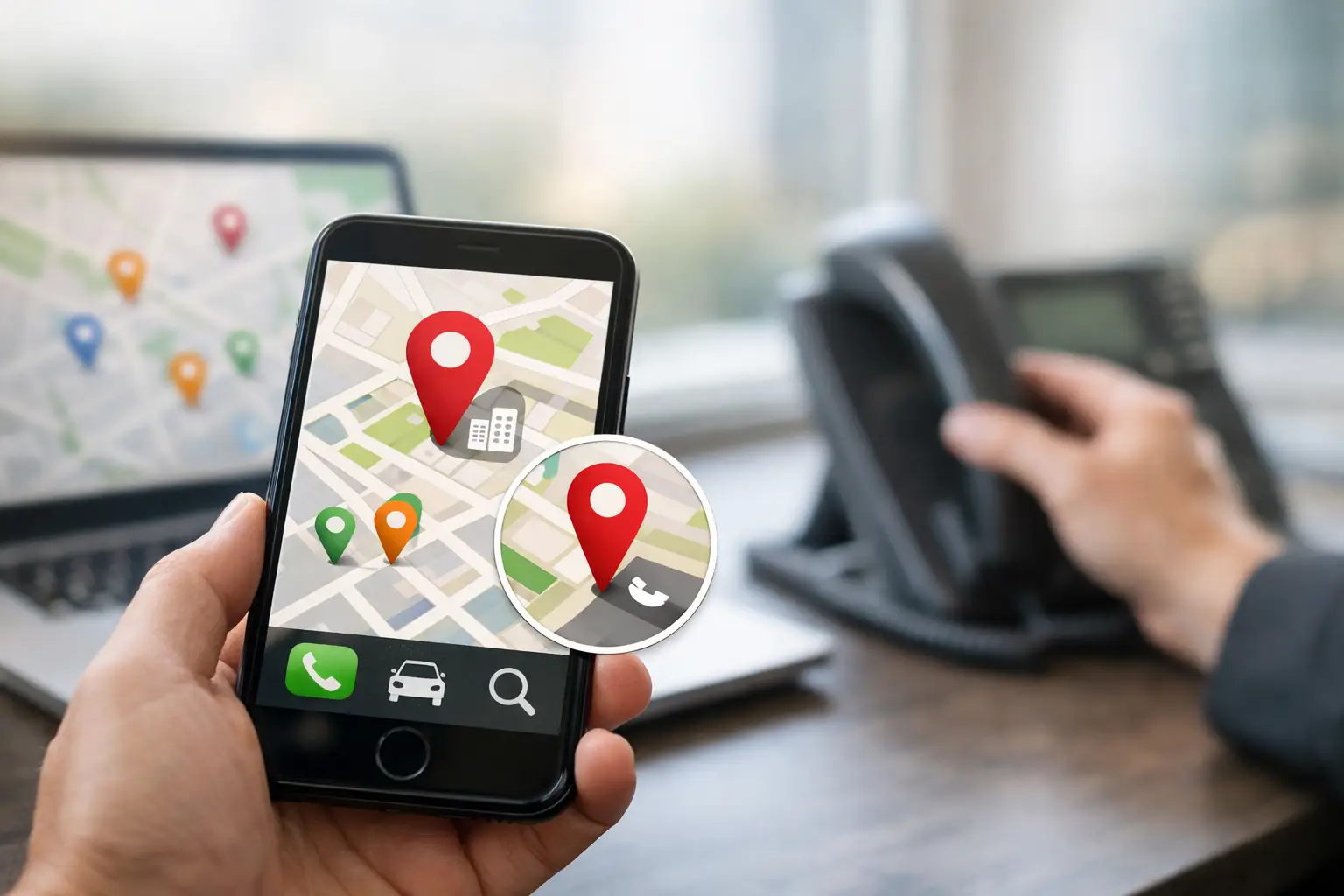
If your business shows up below the map pack, you are not just losing visibility. You are losing calls from people ready to buy. Local map pack optimization is what moves your business into that three-listing block on Google where searchers click fast, compare fast, and make decisions without scrolling very far.
For most local businesses, that space is the money spot. It shows above many organic results, it grabs attention on mobile, and it filters out a lot of weak intent. Someone searching for a plumber near me, emergency dentist, or HVAC repair in their city is not browsing for fun. They usually need help now. If your competitor is in the map pack and you are not, they are getting the lead you should have had.
What local map pack optimization really means
A lot of business owners think map pack rankings come down to one thing - reviews, proximity, or stuffing city names into a profile. That is where bad advice starts. Google looks at a mix of relevance, distance, and prominence, but those categories are backed by dozens of signals that work together.
Local map pack optimization means improving the full local search footprint that supports your Google Business Profile. That includes your categories, services, website signals, review quality and recency, location consistency across the web, on-page local relevance, and user behavior after people find you. If your profile ranks but does not convert, that is still a problem. Visibility without action does not pay the bills.
This is also where many agencies miss the mark. They chase ranking screenshots and ignore what happens next. A business owner does not need more impressions that go nowhere. You need more qualified calls, booked jobs, and revenue.
Why some businesses rank in the map pack and others stay buried
Google is trying to recommend businesses it trusts. That trust is built from consistent data and real-world signals, not tricks. If your business name, address, phone number, hours, and service details are incomplete or inconsistent, Google has less confidence in what you offer and where you serve.
Your website matters more than many people realize. If your Google Business Profile says one thing and your site says something vague, the profile is weaker. If your site loads slowly, lacks strong service pages, or does not clearly support local intent, you create friction in both rankings and conversions.
Reviews matter too, but not in the simplistic way people often assume. A business with 200 low-detail reviews can still lose to a competitor with fewer reviews if the competitor has stronger relevance, better engagement, and a cleaner local presence. Volume helps. Quality helps more. Recency matters. So does the language customers use when they describe your services.
Then there is competition. Ranking in a smaller town is different from ranking in a dense metro area. A roofer in a rural county can often gain traction faster than a personal injury lawyer in Dallas or a med spa in Miami. The strategy is the same, but the pace, effort, and authority required are not.
The foundation of local map pack optimization
The first priority is your Google Business Profile. It needs to be fully completed, accurately categorized, and aligned with your actual services. Primary category selection carries real weight. Secondary categories can help, but only when they reflect what you genuinely do. Trying to rank for everything usually weakens the profile instead of expanding it.
Your business description should support relevance without sounding robotic. Services should be listed clearly. Photos should be current and specific to your business, not generic stock images. Hours must be right. Service areas should match reality. If you are a service-area business, setup details become even more sensitive because weak configuration creates confusion for both users and Google.
The second priority is your website. Your local pages should make it obvious who you serve, what you do, and why a customer should trust you. That means clear service pages, localized copy that reads naturally, fast mobile performance, visible contact information, and conversion paths that do not make people work to reach you.
A strong site helps the map pack because it confirms your relevance. It also helps you win the click after the ranking. A lot of businesses are obsessed with getting seen and careless about what happens after the visit. That is how leads leak out.
Reviews are a ranking signal and a conversion signal
Reviews influence both placement and action. People use them to decide who feels safe to call. Google uses them to understand service quality, activity, and topical relevance.
The right move is not begging every customer for a five-star review with no structure. It is building a repeatable review process. Ask at the right moment, make it easy, and encourage honest detail. A review that says fast response, fixed our AC the same day, and fair pricing in Phoenix is stronger than a generic great service. Specificity helps searchers and reinforces relevance.
Responding to reviews also matters. It shows activity, professionalism, and customer care. It can reinforce service keywords naturally when done well. But keep it human. Boilerplate replies make the profile look managed, not trusted.
Local citations still matter, but they are not the whole game
Citations are mentions of your business information across directories and platforms. Consistency here helps validate your business details. If one listing has an old number, another has the wrong suite, and another uses a different business name format, trust gets diluted.
That said, citations alone will not push a weak business into competitive map pack positions. They are part of the infrastructure. Necessary, yes. Sufficient, no. Real gains come when citations support a stronger profile, a better website, and an active reputation strategy.
What hurts local map pack performance
Some of the biggest problems are self-inflicted. Keyword stuffing in the business name can trigger suspensions or volatility. Fake reviews can backfire. Inconsistent service areas can confuse the algorithm. Thin location pages created just to rank often fail because they add no real value.
Another common issue is neglect. Profiles get set up once and then left alone for years. No fresh photos, no review flow, no updates, no monitoring. Meanwhile, a hungrier competitor keeps improving signals every month. Local search is not static. If your market is active, standing still is the same as falling behind.
There is also a conversion issue many owners miss. If your profile gets views but few actions, Google may read that as weaker user satisfaction over time. Poor click-through rates, weak websites, bad call handling, and thin trust signals can limit performance even when rankings improve.
How to approach local map pack optimization the right way
Start with a diagnostic, not guesswork. Look at where you rank for your most valuable services, not vanity searches from your office. Audit your Google Business Profile setup, category targeting, review profile, website alignment, citation consistency, and competitor landscape.
Then fix the biggest gaps first. If your profile is incomplete, handle that. If your service pages are weak, rebuild them. If reviews are stale, implement a real acquisition process. If your site does not convert, improve speed, messaging, and call paths. The right sequence matters because some fixes produce faster movement than others.
This is where a performance-driven agency has an edge. The goal is not to throw random local SEO tasks into a monthly report. The goal is to identify what is costing you leads and fix it in order of financial impact. That is how Jeff Norton Digital approaches visibility - as a revenue problem first.
Local map pack optimization is not separate from conversion
This is the part too many businesses miss. Getting into the map pack is only half the job. Once someone finds you, your profile has to earn the click and your website has to earn the call.
That means your reviews need to reduce doubt. Your photos need to look real. Your messaging needs to be clear. Your site needs to answer the customer fast. If someone lands on a cluttered page, cannot tell whether you serve their area, or has to hunt for a phone number, the ranking was wasted.
The businesses that win locally are usually not doing one magic thing. They are doing the basics better and more consistently than everyone else. They are easier to trust, easier to understand, and easier to contact.
If you are serious about growth, treat local map pack optimization like what it is: a lead generation system, not a vanity project. The businesses that show up first often get the first call. And in local search, the first call is the one that turns into revenue.
Want to know where your map pack rankings are leaking leads? Jeff Norton Digital offers a free audit of your Google Business Profile, website, and local search signals. We show you exactly what is holding you back and what to fix first. Request your free audit here.